How to Answer “Tell Me About Yourself” in a Nursing Interview
Learn how to answer “tell me about yourself” in a nursing interview with a simple three-part structure, sample answers for new grads, and mistakes to avoid.
IRN
InsiderRN Team
Written for new grad nurses

It's almost always the first thing you hear. You sit down, take a breath, and the interviewer says, “So, tell me about yourself.” For a question that sounds so simple, it freezes a surprising number of nursing students and new grads. InsiderRN was built to help new nurses walk into moments like this prepared, and this one gets much easier once you have a plan.
This guide explains how to answer “tell me about yourself” in a nursing interview: what the interviewer is really asking, a simple structure you can build on, and the mistakes that trip people up. It keeps things practical, so you can shape an answer that sounds like you and not like a script.
The Short Answer (TL;DR)
Keep it to about a minute. Say who you are as a nurse right now, share one or two experiences that prepared you, and finish by explaining why you want this particular unit or role. Think of it as a short professional story, not your life story.
Why Interviewers Start With This Question
It sounds like small talk, but it isn't. In sixty seconds, a nurse manager hears how clearly you communicate, what you consider important, and whether you took the time to prepare. They also use your answer to decide where the rest of the conversation should go.
Keep in mind that the interviewer usually already has your resume in front of them. Reciting it line by line wastes the chance to say something new. If you'd like your resume and your answer to tell the same story, our new grad nursing resume guide is a good place to start.

A Simple Three-Part Structure
Most strong answers follow the same shape, and it's easy to remember:
- Present: who you are now, such as a new graduate nurse and what kind of care draws you
- Past: one or two experiences that prepared you, like a clinical rotation or a previous role
- Future: why this unit or hospital, and what you hope to bring to it
You don't need to label these parts out loud. They simply give your answer a beginning, a middle, and an end, so it doesn't wander.
Part One: Start With Where You Are Now
Open with a sentence or two about your current situation. For a new grad, that usually means naming your program and your licensing status. If you've already passed the NCLEX, say so. If you haven't yet, mention when you're scheduled to test, since employers expect new grads to be in that position.
Then add a short phrase about what draws you to nursing or to this type of care. Keep it specific. “I'm drawn to caring for patients after surgery” gives the interviewer more to work with than “I love helping people.”
Part Two: Show What Prepared You
This is where you give proof. Choose one or two experiences that show the qualities a unit wants in a new nurse, such as good judgment, teamwork, and a willingness to learn. Clinical rotations are your most natural source, but you can also draw from work as a nursing assistant or patient care tech, volunteering, or a leadership role in a student organization.
A single concrete moment beats a long list. Instead of saying you did rotations in five different units, describe one situation where you noticed something, spoke up, or learned something that changed how you work.
If you've completed a nurse externship, it's excellent material for this part of your answer. Our guide on what a nurse externship is explains how these programs work, and it's worth reading if you're thinking about applying for one.
Part Three: Explain Why This Unit
The final piece connects your story to the job in front of you. Tell the interviewer why you're interested in this unit, this hospital, or this residency program, and mention something real that you learned about it. That might be the way they support new graduates, the patient population they care for, or something a nurse on the unit told you.
This part matters more than it seems, because it shows you did your homework. A generic ending, like “I'm excited for this opportunity,” could be said at any hospital by any candidate. A specific one makes you memorable.
How Long Should Your Answer Be?
Aim for roughly sixty to ninety seconds. Some coaches suggest staying under a minute, and either range works as long as you keep your answer focused. Anything much longer starts to feel like a speech, and anything much shorter may leave the interviewer wondering what you want them to know.
A few habits help you stay on track:
- Practice with a timer until your answer feels natural at about a minute
- Pick one story and tell it well instead of squeezing in several
- End on the unit and what you hope to contribute, not on a summary of yourself
Where This Question Fits in the Rest of the Interview
Think of “tell me about yourself” as the opening chapter. Whatever you say here, the interviewer may return to it later. A story about a clinical moment can lead to behavioral questions about teamwork or handling pressure, and a mention of your interest in a specialty can lead to deeper questions about it.
That's useful because it means your answer helps shape the other nursing interview questions you'll face. Choose stories you can talk about comfortably, and be ready to add detail if someone asks. For a new grad nurse interview in particular, it also gives you a chance to show how you think before the clinical scenarios begin.
Sample Answer: A New Grad
Here's a sample answer that shows how the pieces fit together. It's only a model, so replace the details with your own experiences and your own words.
“I'm a new graduate from the BSN program at [your school], and I'm scheduled to take the NCLEX next month. I'm striving to be a true patient advocate as I transition into my role as a nurse. During my surgical clinical, I noticed a patient who kept telling everyone he was fine but wasn't eating or moving much. I mentioned it to my instructor and his nurse, and it led to a pain reassessment that helped him get up and walk again. That experience showed me how much small observations matter. Before nursing school I worked as a patient care tech, so I'm comfortable in a busy, team-based environment. I'm especially interested in your unit because of the new grad residency and the way your team talks about supporting new nurses.”
Notice what this answer does. It states the person's status, tells one specific story, mentions earlier work, and ends with a real reason for choosing the unit. It takes well under ninety seconds to say.

Sample Answer: A Career Changer
Not everyone arrives at nursing straight from school. Here's a second model for someone who changed careers.
“I came to nursing after five years in customer service, where I learned to listen first and stay calm with upset people. In my clinicals, those skills helped me support an anxious family member while the care team was busy, and that's when I knew I'd made the right choice. I'm finishing my associate degree this spring, and I'm looking for a unit where I can keep learning from experienced nurses. Your med-surg floor appeals to me because of the strong preceptor program.”
Again, adapt this to your own story. The structure is what carries over.
If Your Path Wasn't Traditional
Career changers, students who started with an associate degree, and graduates who took time away don't need to apologize for their route. Present it as part of what makes you who you are. Name the skills you gained along the way, such as communication, reliability, or staying calm under pressure, and connect them to nursing.
If you'd like a clearer picture of the different routes into nursing, our guide on how to become a registered nurse walks through the main paths and what each one involves.
Mistakes That Weaken Your Answer
A few common missteps can make a good candidate sound forgettable:
- Reciting your resume from top to bottom instead of telling a story
- Using phrases like “hard worker” and “team player” without an example to back them up
- Apologizing for being a new grad, as if inexperience were a flaw
There are others, too. Going on for several minutes is a frequent problem, and so is sharing personal details that have nothing to do with nursing. It's fine to mention your childhood or family if it explains why you chose nursing, but keep it to a sentence. And avoid criticizing past instructors, coworkers, or jobs, since it can make a manager wonder how you'd talk about their team.
Nursing Interview Tips to Sound Natural
The biggest risk with any prepared answer is sounding rehearsed. A few simple nursing interview tips can help. Don't memorize your answer word for word. Instead, write down the key points of each part, such as your program, your best story, and your reason for choosing the unit, and practice saying them in your own words. That way, the answer comes out a little different each time, and it sounds like a conversation.
Pay attention to your pace, too. Nervous people tend to speed up, so take a breath before you begin and let your sentences finish. A calm, steady answer says more about you as a future nurse than perfect phrasing ever will.
Practice Out Loud
Reading your answer silently isn't the same as saying it. Practice out loud, preferably standing or sitting the way you would in the interview. Record yourself on your phone and listen back, or try it on a friend or classmate. You're not looking for a perfect delivery. You're listening for places where you ramble, rush, or sound like you're reading.
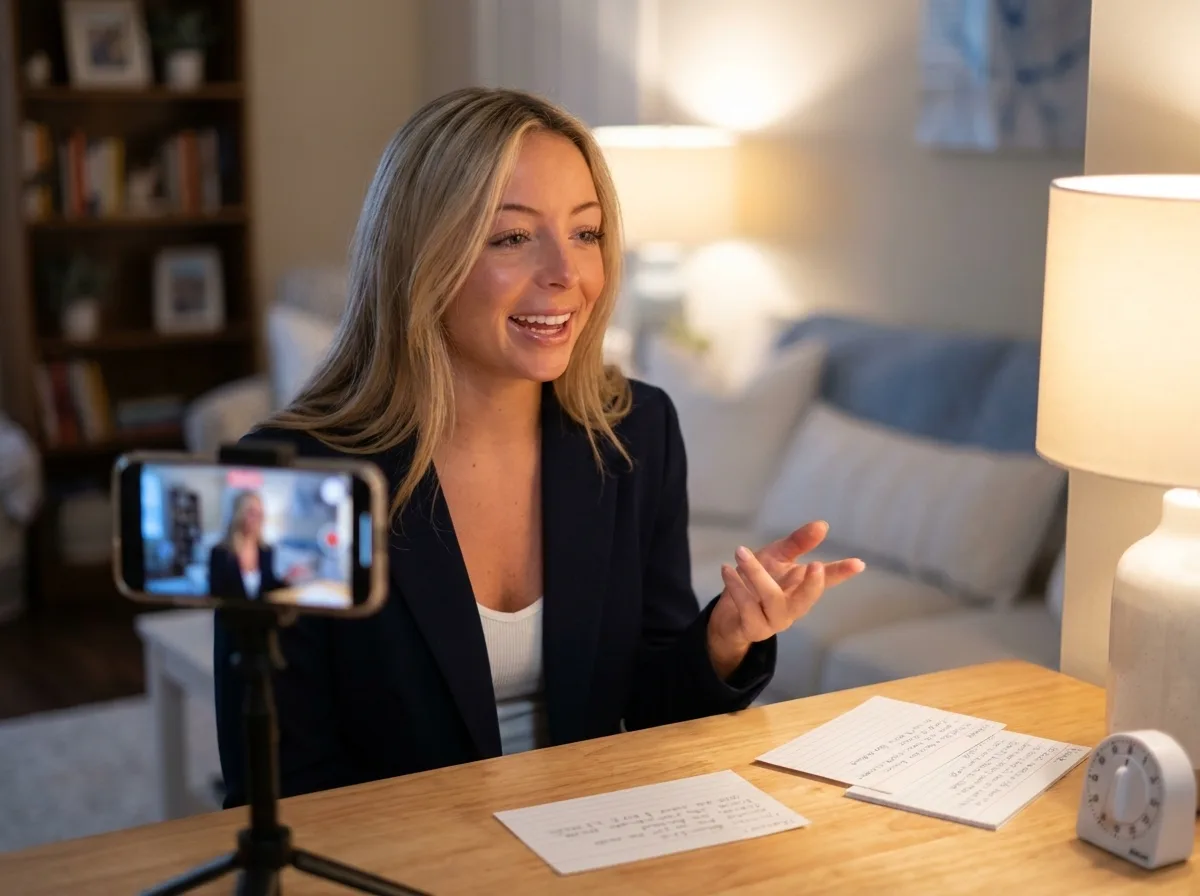
Rehearse a version for each unit you apply to, since the “why this unit” portion should change every time. If you'd like structured guidance for the whole interview, Set 03 inside InsiderRN (“The Callback: Prep. Interview. Offer.”) focuses on preparing for the interview, performing well in it, and weighing an offer, and it's included in our membership plans for students and new grads who want guidance beyond what a blog post can offer.
What About Phone and Video Interviews?
The question works the same way, but a few things change. In a phone screen, your voice carries everything, so speak clearly and a little more slowly than you think you need to. In a recorded video interview, you may not have anyone to react to you, so look at the camera instead of your own face and keep a steady pace. Either way, the same three parts apply, and a short, well-practiced answer helps calm your nerves.
Walking In Ready
Knowing how to answer “tell me about yourself” in a nursing interview comes down to a few habits: begin with where you are now, show one real experience that prepared you, explain why you want this unit, and keep it to about a minute. Everyone gets nervous, and a little preparation takes much of the pressure off.
If you have an interview coming up and want a second opinion on how your answer sounds, reach out through our contact page and we'll point you in the right direction.
Frequently Asked Questions
How long should my answer to “tell me about yourself” be?
Aim for about sixty to ninety seconds. Some coaches recommend staying under a minute. The key is to keep it focused so you leave time for the rest of the interview.
What should a new grad nurse say when asked to talk about themselves?
Mention your program and licensing status, one or two experiences that prepared you, such as a clinical rotation or a job as a nursing assistant, and a specific reason you want this unit or hospital.
Should I share personal details in my answer?
Only a little, and only if it's relevant. A single sentence about why you chose nursing is fine. Leave out unrelated personal information and keep the focus on your professional story.
Is it okay to say I'm a new grad with limited experience?
Yes. Hiring teams expect new graduates to be new. Own it without apologizing, and focus on what you learned in your clinicals and any related work.
How can I practice my answer?
Say it out loud with a timer, record yourself, and try it on a friend or classmate. Adjust the “why this unit” part for every interview so it sounds specific and genuine.
IRN
Written by the InsiderRN Team
Straight-talking career guidance for new grad nurses.
Ready to launch your nursing career?
InsiderRN gives new grad nurses the interview prep, resume tools, and first-year survival training nursing school never taught.